
The first classes for soldiers
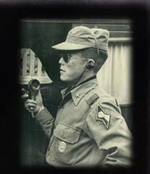
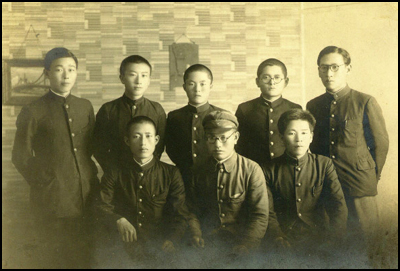
In 1946, Choi Hong Hi became an officer in the forces from which the Republic of Korea Army developed. He began teaching soldiers a martial art then known as Tang Soo Do. He drew on his karate training and later brought other Korean instructors into the programme. Classes gradually became part of the units’ daily preparation.
Korea had endured colonial rule, the division of the peninsula and the Korean War of 1950–1953. For Choi, teaching soldiers combined self-defence, fitness and discipline with the ambition to develop a distinctly Korean martial art. Military service allowed him to organise regular training and prepare instructors for other units.
The 29th Division and Nam Tae Hi
In 1953, Choi formed the 29th Infantry Division on Jeju Island. Its emblem was a clenched fist, a symbol of strength and fighting spirit. He brought in Nam Tae Hi and Han Cha Kyo, students of Chung Do Kwan, to teach the soldiers. Civilian martial arts training now met the resources of an army programme.
Nam Tae Hi became one of Choi’s closest collaborators. The general organised and supported the programme through the military command, while Nam taught classes and demonstrated the techniques. Together with other instructors, they developed a programme that could be passed on to new units.
In 1954, the team performed before President Syngman Rhee. Nam’s striking techniques made a strong impression and helped extend martial arts training across the army. Choi and Nam developed the military school Oh Do Kwan, where they trained instructors and refined their teaching methods.
11 April 1955: the art receives its name
On 11 April 1955, the name “Taekwon-Do”, proposed by Choi Hong Hi, was adopted. It brought together the foot, the fist and the idea of a way or path. For Choi, it named the Korean art he wanted to develop and share with the world.
The new name gradually entered the life of the schools. Instructors developed patterns, refined terminology and prepared teaching programmes. The kwans had their own leaders and traditions, so agreements about working together took time. Choi promoted the name while his colleagues gave it substance through daily training.
In 1959, he published his first Taekwon-Do manual and led a demonstration tour to Vietnam and Taiwan. The art was reaching beyond Korea. The book explained the techniques, while the performances introduced them to future students and organisers.
Choi was becoming the leader of an international movement. Diplomatic service would soon open further opportunities to meet new collaborators and establish schools abroad.